Dream Word Machine Embroidery Review
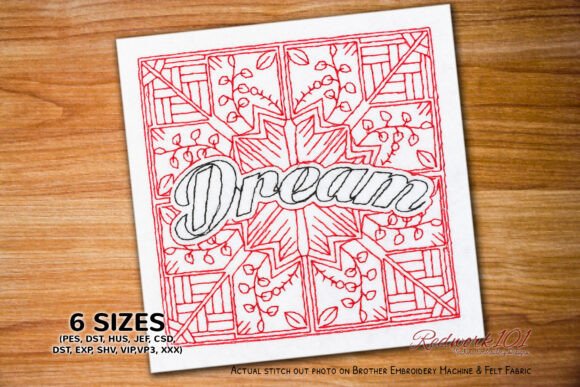
As a seasoned embroidery designer who has spent countless weekends setting up booths at local craft fairs and managing digital shops online, I know that the difference between a design that gathers dust and one that flies off the table often comes down to immediate visual impact. Today, I am reviewing the Dream Word Machine Embroidery design. This piece promises a stylish dream design featuring leaves and fruits within a dreamy mandala structure, centering on the word "Dream." For those of us creating handmade products for Etsy or physical markets, this Inspirational category is a goldmine, but it requires careful execution to ensure the final product looks premium rather than cluttered.
First Impressions: A Modern Farmhouse Aesthetic
When I first opened the preview of this machine embroidery design, my initial reaction was one of optimistic warmth. The combination of a central typographic element with organic botanicals like leaves and fruits suggests a modern farmhouse or boho-chic aesthetic. It does not feel overly rustic, nor is it starkly minimal. Instead, it strikes a balance that appeals to the current market trends for cozy, meaningful home decor. The inclusion of the word "Dream" makes it instantly readable as an inspirational message, which is crucial for impulse buys at a craft fair. Customers scanning a booth often look for words they can relate to immediately, and "Dream" is a universal concept that resonates across demographics.
The integration of the mandala pattern adds a layer of complexity that elevates the design from a simple text transfer to a true art piece. However, as a designer, I immediately began assessing how the stitch density would handle the transition between the bold lettering and the delicate fruit details. If the stitch density is too high in the fruit areas, it could create a stiff, plastic-like texture on soft fabrics, which is a common pitfall in commercial embroidery. Conversely, if it is too sparse, the colors may bleed through on lighter materials.
Evaluating Product Applications for Maximum Sales
To determine the viability of Dream Word Machine Embroidery as a core craft fair product, I visualized it across various items typically found on a vendor's table. The versatility of this design is its strongest asset, allowing for a cohesive collection that tells a brand story.
- Tote Bags and Market Bags: This is likely the highest volume seller. Placing the design centrally on a sturdy canvas tote bag creates a statement piece. The leaves and fruits add enough visual interest to justify a higher price point than a plain bag. For an Etsy seller, this offers excellent photo opportunities where the texture of the thread contrasts with the weave of the canvas.
- Tea Towels and Aprons: Kitchen linens are perennial favorites. An apron embroidery featuring this design works beautifully because the apron provides a large, flat surface. However, for tea towel embroidery, one must be cautious. Textured terry cloth can sometimes obscure small details in the fruit elements. I would recommend using a high-quality stabilizer to prevent puckering and ensuring the thread colors pop against the fabric.
- Pillow Covers and Wall Art: The description mentions wall art and pillows, and this is where the mandala aspect truly shines. On a linen pillow cover, the design acts as a focal point. The symmetrical nature of a mandala pairs perfectly with square or round cushions, making it an ideal handmade product for home decor enthusiasts.
- Embroidered Patches and Caps: For smaller applications, such as patches or caps, the design needs scrutiny. The intricate leaves might lose definition if scaled down too much. A patch version could be a great low-cost add-on item to increase average order value, provided the hoop size allows for sufficient detail retention.
Production Practicalities and Visual Appeal
When preparing for a weekend market, efficiency is key. Dream Word Machine Embroidery appears to be a strong candidate for batch production due to its balanced composition. Unlike designs with erratic running stitches or excessive jumps, this layout seems conducive to smooth machine operation. However, before committing to a full run of fifty units, I always insist on testing the embroidery file on scrap fabric first.
The visual appeal of the finished product hinges on color selection. The "leaves and fruits" motif suggests a palette of greens, oranges, reds, or yellows. To make this stand out on a crowded table, consider using metallic threads for the mandala outlines or variegated threads for the fruits to add depth. This attention to detail signals quality to the buyer. A small shop product that looks professionally finished commands respect and justifies a premium price tag. Furthermore, the design photographs exceptionally well for printable mockups used in online listings. The contrast between the text and the surrounding graphics creates a natural frame that draws the eye in social media posts.
Critical Considerations for Design Integrity
While the design is promising, there are specific areas where care must be taken to avoid production headaches. First, check the spacing around the word "Dream." If the letters are too close to the dense mandala border, the machine might struggle to fill the gaps cleanly, leading to thread breaks or messy pulls. Second, be mindful of dark fabrics. While the design looks stunning on cream or white, dark backgrounds require more thread coverage to hide the fabric underneath, which increases cost and time.
For curved surfaces like caps, the tension of the hoop can distort the straight lines of the typography. Always test the design on a cap form before selling. Additionally, if you plan to sell these as commercial embroidery items, verify the licensing terms of the digital embroidery file. Ensure you have the right to produce and sell finished goods, especially if you intend to scale your business beyond a single market day.
Strategic Advice for Craft Entrepreneurs
For those looking to integrate Dream Word Machine Embroidery into their inventory, here is my professional checklist to ensure success:
- Test on Scrap Fabric: Never skip this step. Run the design on the exact fabric you plan to use to check for puckering and alignment.
- Check Thread Contrast: Ensure the thread colors provide enough contrast against the fabric so the "Dream" text remains legible from a distance.
- Review Stabilizer Needs: Use the appropriate cutaway or tear-away stabilizer based on the fabric weight to maintain the crispness of the leaves and fruits.
- Create Real Mockups: Photograph actual embroidered samples rather than relying solely on digital renders. Buyers need to see the texture and thread quality.
- Confirm Hoop Size: Verify that your machine hoops can accommodate the full width of the mandala without needing to re-hoop, which can cause misalignment.
- Inspect Stitch Density: Look for areas that might be too dense, particularly in the fruit sections, and adjust settings if necessary to prevent stiffness.
In conclusion, Dream Word Machine Embroidery offers a compelling mix of typography and botanical art that fits seamlessly into the current demand for inspirational home goods. Its potential as a bestseller lies in its ability to transform simple textiles into meaningful gifts. By paying attention to fabric choices, thread quality, and proper stabilization, craft fair sellers and boutique makers can turn this design into a signature piece that drives customer engagement and boosts sales. Whether displayed on a shelf at a weekend market or featured in an online storefront, this design has the power to inspire and delight.