Camel Machine Embroidery Design Review
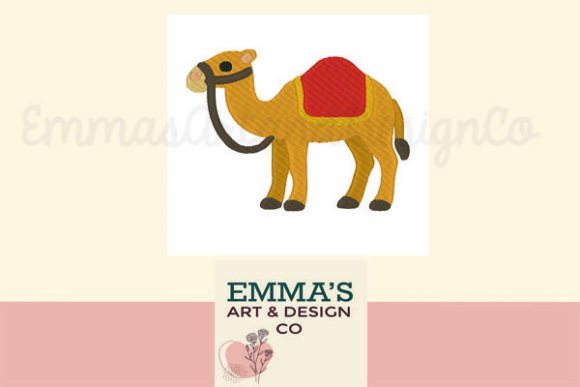
As an embroidery designer who has spent years translating digital files into tangible brand assets, I approach every new machine embroidery design with a critical eye. My goal is not just to see if it looks pretty, but to determine if it can survive the rigors of commercial production while elevating a client's brand identity. Today, I am reviewing the Camel Machine Embroidery file. This specific design falls under the Wild Animals category and is described as a colorful camel ideal for nativity scenes or desert-themed projects. It features a bright saddle and a friendly expression intended to bring warmth to any project. But does this translate effectively from a digital screen to high-quality small business merchandise?
First Impressions: Visual Personality and Brand Fit
Upon opening the preview of this embroidery file, the immediate impression is one of playfulness and rustic charm. The description highlights a "friendly expression" and a "bright saddle," which suggests a design that leans towards whimsical rather than corporate. For a boutique bakery, a children's clothing line, or a desert-themed café, this visual personality is a strong asset. It feels handmade and approachable, qualities that are highly valued in the current market for artisanal goods.
However, for a formal uniform program or a luxury fashion label, the vibrancy might feel too casual. The key to success with Camel Machine Embroidery lies in understanding its tone. It is a decorative piece that works best when the brand wants to convey warmth, adventure, or a connection to nature. If your business sells handmade products or offers a unique customer experience, this design can serve as a delightful accent that breaks up the monotony of standard logos.
Real-World Application for Small Business Merch
When evaluating a design for small business merch, I look at versatility. How many different products can this single digital embroidery file support? The Camel Machine Embroidery design offers several compelling use cases for apparel decorators and Etsy sellers.
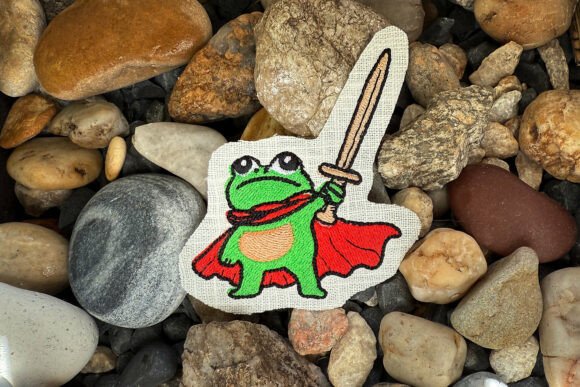
- Embroidered Patches: This is perhaps the most effective application. By adding a satin border, the camel becomes a standalone badge of quality. These patches can be sewn onto denim jackets, tote bags, or backpacks, creating a collectible item for customers.
- Apron Embroidery: For a café or florist with a southwestern theme, placing this design on the chest pocket of staff aprons adds a layer of character to the team's appearance without overpowering the workspace.
- Cap Embroidery: While caps require careful sizing, the silhouette of the camel is distinct enough to work on a front panel or side of a trucker hat, provided the stitch count allows for a crisp finish.
- Tote Bag Design: A large-scale version of this machine embroidery design on a canvas tote bag creates a statement piece. The sturdy fabric of a tote handles the density well, making it perfect for event giveaways or retail store bags.
- Product Packaging Accents: Imagine a small leather tag attached to a handmade soap or candle, featuring this embroidered camel. It instantly elevates the perceived value of the finished product.
For commercial embroidery shops, offering this as part of a themed collection (perhaps alongside other desert animals) could drive sales during seasonal peaks like winter holidays or summer travel seasons.
Critical Considerations for Production
While the concept is strong, professional execution requires navigating specific technical challenges. As you prepare to use Camel Machine Embroidery for your business, keep these constraints in mind.
Stitch Density and Detail
The description mentions a "colorful" design with a "bright saddle." In machine embroidery, color changes often introduce jump stitches and potential registration issues. If the design relies on tiny details to define the camel's face or saddle, it may struggle on textured fabrics like fleece or heavy twill. High stitch density in small areas can also lead to puckering, especially on lightweight garments. Always inspect the digitization to ensure the colors are solid blocks rather than thin lines that might break during stitching.
Sizing and Hoop Constraints
One of the biggest pitfalls for custom apparel is scaling. Does the hoop size accommodate the full design without splitting it? If you intend to use this as a cap logo, you must verify that the design remains legible at 2 inches wide. Complex animal designs often lose their definition when shrunk. If the file is too large for a standard 4x4 hoop, you may need to split the design, which increases production time and cost.
Fabric Texture and Stabilizer Needs
Because this design likely involves curves and organic shapes, the choice of stabilizer is critical. On dark uniforms, a white underlay will be necessary to make the bright saddle pop, but this adds thickness. On stretchy knits, excessive stabilizer can cause the fabric to pucker around the edges of the patch. Always test the design on the actual material you plan to sell before committing to a bulk run.
Impact on Brand Identity and Customer Trust
Using a well-executed embroidered patch or logo sends a powerful message about your business. When customers see a professionally stitched camel on a tote bag or uniform, they associate that quality with your brand. It signals attention to detail and a commitment to craftsmanship. Conversely, a poorly executed design with loose threads or misaligned colors can damage customer trust and lower the perceived value of your merchandise.
The Camel Machine Embroidery design, when used correctly, enhances visual consistency across your product line. It creates a recognizable motif that customers can spot from a distance, aiding in brand recognition. For handmade brands, this type of unique imagery helps differentiate your items from mass-produced competitors, fostering deeper buyer engagement.
Designer Notes for Implementation
To ensure the best results with this design asset, follow these practical steps before going to production:
- Test in Black and White: Before selecting vibrant thread colors, run a test in black or grey. This reveals the structure of the digitization and ensures there are no gaps or overlapping stitches that could cause thread breaks.
- Verify Commercial Licensing: Confirm that the license for this embroidery file permits commercial use for resale items. Many designs are restricted to personal use only, which could put your small business at legal risk.
- Create a Printable Mockup: Use software to generate a realistic mockup of the design on your specific product (e.g., a cap or apron). Show this to your client or stakeholders for approval before spending thread and time.
- Check Thread Color Contrast: Ensure the "bright saddle" contrasts sufficiently with the background fabric. Low contrast can make the design invisible from a distance.
- Inspect Spacing: If combining this camel with text or other elements, leave adequate spacing to prevent the embroidery from looking cluttered.
- Wash Testing: Since the design is meant for items like uniforms and totes that will be washed frequently, test a sample after several wash cycles to ensure the stitches hold up and do not fade.
In conclusion, the Camel Machine Embroidery design is a versatile tool for businesses looking to add a touch of warmth and character to their merchandise. While it requires careful consideration regarding sizing and fabric compatibility, its potential to enhance brand identity is significant. By following professional testing protocols and respecting the limitations of the medium, you can turn this digital file into a profitable and beautiful addition to your product catalog.