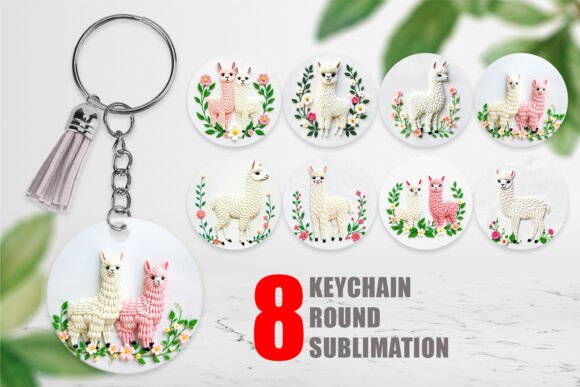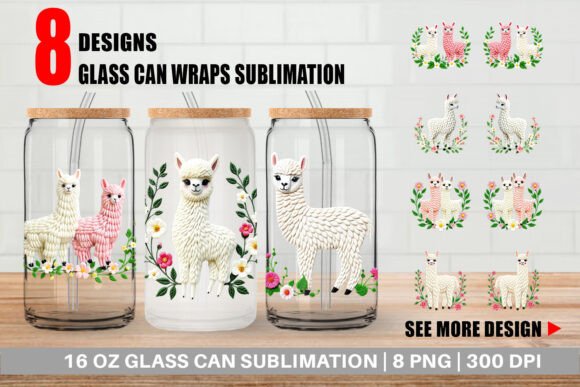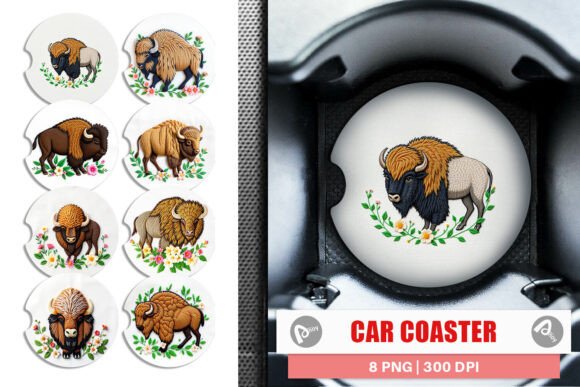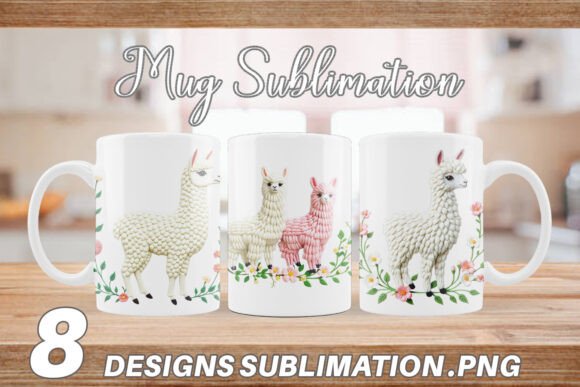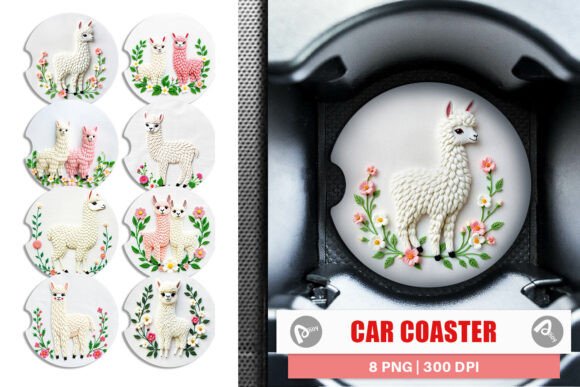
Car Coaster Alpaca Embroidery Review
As an experienced embroidery designer who has spent countless weekends setting up booths at local craft fairs and handmade markets, I know that the difference between a product that gathers dust and one that flies off the table often comes down to the design's clarity, texture, and immediate visual appeal. Today, I am reviewing a specific digital asset titled Car Coaster Alpaca Embroidery. At first glance, the title presents an interesting juxtaposition: the cozy, rustic charm of an alpaca combined with the functional, modern utility of a car coaster. This review will dissect how this machine embroidery design translates from a digital file into a tangible craft fair product, evaluating its potential for tote bags, aprons, patches, and other handmade goods.
First Impressions: Bridging Rustic Charm and Modern Utility
When I first load the Car Coaster Alpaca Embroidery file into my digitizing software, the mood is immediately established. The design feels soft yet structured, leaning heavily into a "modern farmhouse" or "elevated rustic" aesthetic. Alpacas are inherently cute and approachable, making them a strong contender for gifts, but the context of a "car coaster" suggests a need for durability and boldness. In the world of Illustrations and Graphics, this design stands out because it avoids being overly cluttered. It strikes a balance between decorative flair and functional simplicity.
For an Etsy seller or boutique maker, this is a crucial distinction. Customers browsing a booth filled with handmade products need to understand what they are looking at within three seconds. Does the alpaca look fuzzy and realistic, or is it stylized? If the design is too intricate, it may lose definition on textured fabrics. However, if the lines are clean and the shapes are distinct, it becomes a versatile asset that can work as a small accent or a large focal point depending on the application.
Product Versatility: Where Does It Shine?
The true test of any embroidery file is its adaptability across different mediums. Let's imagine our weekend craft fair table. We have embroidered tote bags, aprons, tea towels, caps, and small pouches laid out. Where does Car Coaster Alpaca Embroidery fit best?
- Tote Bags and Market Bags: A large-scale version of this design on a canvas tote bag would be a standout. The sturdy fabric of a tote allows for higher stitch density without puckering, making the alpaca's wool texture pop. This creates a premium tote bag design that feels giftable and durable.
- Apron Embroidery: Placing this design on the bib of a kitchen apron adds a whimsical touch. It transforms a utilitarian item into a conversation starter. However, ensure the placement is high enough to avoid grease stains while cooking.
- Tea Towel Embroidery: While charming, tea towel embroidery requires caution. The looped texture of terry cloth can sometimes swallow fine details. If the alpaca has tiny facial features, they might get lost in the fabric weave unless the hoop size is adjusted and a cutaway stabilizer is used.
- Embroidered Patches: This is perhaps the most profitable use case. Creating an embroidered patch allows you to sell the design as a standalone accessory or sew it onto denim jackets, hats, and backpacks. The backing of a patch protects the stitches, ensuring longevity even if the original concept was for a car coaster.
- Caps and Pillow Covers: Curved surfaces like caps require careful digitizing. If the design includes text or complex outlines, it may distort on a curved brim. For pillow covers, the flat surface works well, offering a great way to display the full color palette of the alpaca.
Production Realities: Stitch Density and Fabric Texture
Before committing to batch production for your small shop product line, you must evaluate the technical aspects of the Car Coaster Alpaca Embroidery. One common pitfall with animal designs is over-saturation of thread colors to create a "fluffy" effect. While this looks great digitally, excessive stitch density can cause the fabric to pucker, especially on thinner materials like linen or cotton blends.
I strongly advise testing the design on scrap fabric first. Check the thread contrast against your chosen background. An alpaca design often relies on shades of beige, cream, and brown; these can blend into light tan or oatmeal fabrics, rendering the image invisible. You want the design to stand out, not hide. Additionally, verify the hoop size. If the design is intended to be small, say 3x4 inches, ensure that the alpaca's face remains recognizable. Tiny details like eyes or ears can disappear if the stitch count is too low for the scale.
Another critical factor is the stabilizer. For items like caps or thick fleece, a tear-away stabilizer might not provide enough support, leading to shifting during stitching. A cutaway stabilizer is often necessary to maintain the integrity of the design, particularly if you are aiming for a professional finish that justifies a higher price point.
Selling Strategy: Visual Appeal and Customer Engagement
In the competitive landscape of handmade markets, your booth display must tell a story. Car Coaster Alpaca Embroidery offers a unique narrative hook. Even though the title mentions "car coasters," the versatility of the alpaca illustration allows you to market it as a lifestyle brand element. Displaying a finished product—perhaps a plushy-looking alpaca patch on a rugged canvas bag—creates an immediate emotional connection with buyers.
Photography is key for online sales. When creating printable mockups or taking photos for your Etsy listings, focus on the texture. Close-up shots that highlight the raised stitches of the alpaca's wool will demonstrate the quality of your work. Avoid flat, distant shots that fail to capture the depth of the embroidery. Customers buying commercial embroidery products want to see the craftsmanship.
Furthermore, consider the seasonality. Alpacas evoke feelings of warmth and comfort, making this design perfect for fall and winter markets. However, with the right color adjustments, it could also work for spring. The ability to swap thread colors allows you to refresh the same digital embroidery file for different seasons without needing new assets.
Designer Notes and Final Recommendations
To maximize the success of Car Coaster Alpaca Embroidery in your business, follow these practical steps:
- Test Before Production: Always run a test on the actual fabric you plan to use. Check for pulling, skipped stitches, or registration issues.
- Review Spacing: Ensure there is adequate space around the design for hooping without distorting the pattern.
- Confirm Licensing: As a digital seller or maker, always confirm the commercial licensing terms of the design assets. Can you sell the finished goods? Are there limits on the number of items produced?
- Create Real Mockups: Do not rely solely on digital previews. Create at least one physical sample to show customers the true scale and feel of the product.
- Compare Fabric Colors: Test the design on dark, medium, and light fabrics to determine which combinations offer the best visibility and contrast.
In conclusion, Car Coaster Alpaca Embroidery is a promising addition to any maker's portfolio. Its blend of whimsy and utility makes it a strong candidate for handmade gifts and booth samples. By paying attention to stitch density, fabric choice, and presentation, you can transform this graphic into a high-value product that resonates with customers looking for quality and character in their purchases. Whether you are selling patches, bags, or home decor, this design has the potential to become a staple in your collection.