Minimalist Daisy Flowers Embroidery Design Review
As a designer who has spent years navigating the fine line between digital art and stitched reality, I approach every new machine embroidery design with a critical eye. The market is flooded with generic patterns, so finding a piece that truly captures a mood without overcomplicating the stitch path is rare. When I first loaded the Minimalist Daisy Flowers Embroidery Design into my digitizing software, I was immediately struck by its restraint. This isn't just another floral motif; it is a study in negative space and delicate line work that feels perfectly suited for the modern crafter.
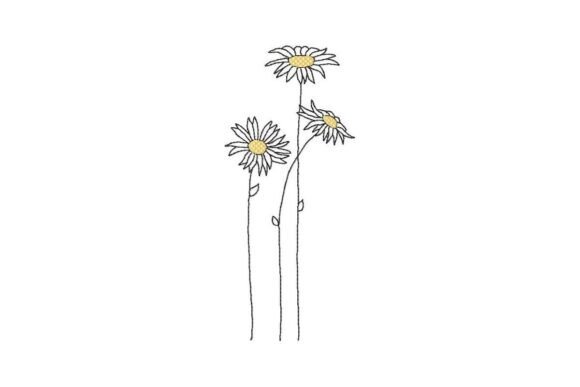
The concept behind this embroidery file is deceptively simple: three delicate daisy flowers arranged in a loose cluster. However, the execution relies heavily on clean, sketchy line art for the petals and long, flowing stems. In the world of Bouquets, where designs often lean toward dense fill stitches and heavy shading, this minimalist approach offers a breath of fresh air. It suggests wildflowers caught in a breeze rather than a rigid garden arrangement. For an Etsy seller or a boutique owner looking to elevate their brand identity, this kind of visual personality is invaluable.
First Impressions: Mood and Visual Personality
Before even threading the needle, I evaluated how the Minimalist Daisy Flowers Embroidery Design would translate from screen to fabric. The layout is asymmetrical, which gives it an organic, hand-drawn feel. The "sketchy" nature of the petals implies movement and lightness. In a real-world scenario, imagine placing this design on a natural linen tote bag. The texture of the linen combined with the airy lines of the daisies creates a sophisticated, earthy aesthetic that appeals to customers seeking understated elegance.
This design does not scream for attention; it whispers. That subtle quality makes it incredibly versatile. Unlike bold, colorful Embroidery patterns that can overwhelm a garment, these daisies act as a gentle accent. They are perfect for adding a touch of whimsy to a neutral sweatshirt or softening the look of a structured apron. The visual appeal lies in its simplicity, making it a strong candidate for personalized gifts where the recipient appreciates minimalism.
Real-World Application: From Tote Bags to Baby Items
To truly understand the value of this digital embroidery file, we must visualize it in action. I recently considered using the Minimalist Daisy Flowers Embroidery Design for a small batch of custom embroidered tote bags intended for a local craft fair. The goal was to create a reusable shopping bag that felt both chic and eco-friendly. Because the design features clean lines rather than heavy blocks of color, it sits beautifully on unbleached canvas without requiring excessive stabilizer or causing puckering.
I also envision this design working exceptionally well on baby embroidery projects. A onesie or a soft cotton pillow cover featuring these delicate daisies would be timeless. Parents often gravitate towards gender-neutral, soft aesthetics for nursery decor, and this embroidery project fits that niche perfectly. The lack of aggressive detailing ensures that the finished product remains soft against sensitive skin, a crucial factor when designing for infants.
For the apparel decorator, this design offers flexibility. On a denim jacket, the contrast of white thread against blue denim highlights the sketchy lines effectively. On a dark charcoal sweatshirt embroidery placement, switching to a cream or pale yellow thread could create a stunning, high-end look. The key here is understanding that the stitch density is likely low, which means the design breathes with the fabric rather than sitting stiffly on top of it.
Navigating Challenges: Fabric and Hoop Considerations
While the Minimalist Daisy Flowers Embroidery Design is versatile, it is not without its challenges. As a professional reviewer, I must advise caution when using this specific style on certain materials. The "sketchy" line art relies on precision. If you attempt to stitch this on highly textured fabrics like heavy corduroy or thick fleece, the thin lines may get lost in the weave of the material. Similarly, on very stretchy fabrics like jersey knit, the tension required to hold those long, thin stems could cause distortion if the wrong stabilizer is used.
Another consideration is the hoop size. Although the design appears compact, the long stems and the spread of the three flowers require enough room to maintain their proportions. Crowding them into a tiny hoop might compress the design, ruining the elegant spacing that defines the artwork. Always check the dimensions before committing to a small shop product run. Furthermore, if you plan to use this on curved surfaces like caps, ensure the digitization accounts for the curve, or the long stems might twist unnaturally during stitching.
Thread color selection is also critical. Because the design is minimalist, it lacks the visual weight of a dense fill stitch or satin stitch border. Using a thread color that is too similar to the background fabric will render the design invisible. High contrast is your friend here. Test the thread colors on scrap fabric first to ensure the delicate petals stand out clearly.
Practical Designer Notes for Success
If you decide to incorporate the Minimalist Daisy Flowers Embroidery Design into your business, follow these practical steps to ensure a professional finished product:
- Test on Scrap Fabric: Never skip the test run. Stitch the design on the exact fabric you intend to sell to check for puckering and thread breakage.
- Verify Licensing: Before selling items featuring this design, confirm whether the license allows for commercial use. Many design assets have restrictions on the number of items you can sell.
- Check Stitch Density: Inspect the file to ensure the running stitch or outline stitch settings are appropriate for your machine speed. Slow down if necessary to maintain line integrity.
- Mockup Testing: Create printable mockups in black and white to see how the contrast works before investing in expensive threads.
- Stabilizer Choice: Use a cut-away stabilizer for stretchy fabrics to support the long lines, and a tear-away for stable wovens like cotton or linen.
Impact on Brand and Customer Trust
Using a high-quality machine embroidery design like this one directly impacts customer perception. In the crowded marketplace of handmade goods, details matter. A well-executed, minimalist floral design signals that the maker cares about aesthetics and quality. It elevates a simple tote bag design or a basic t-shirt into a collectible item. Customers are willing to pay more for products that feel curated and professionally finished.
Moreover, the versatility of the Minimalist Daisy Flowers Embroidery Design allows for consistent branding across different product lines. Whether you are selling holiday embroidery kits, personalized wedding favors, or everyday accessories, maintaining a cohesive visual style builds brand recognition. The clean lines of these daisies can serve as a signature element that ties your entire collection together.
In conclusion, this design is a thoughtful addition to any craft business library. It respects the limitations of the medium while maximizing artistic expression. By understanding its strengths and potential pitfalls, you can leverage the Minimalist Daisy Flowers Embroidery Design to create beautiful, sellable products that resonate with modern consumers. Remember, the best embroidery is not just about following a file; it's about understanding how that file interacts with fabric, thread, and the human eye.