Tumbler Snail Embroidery: A Designer's Review
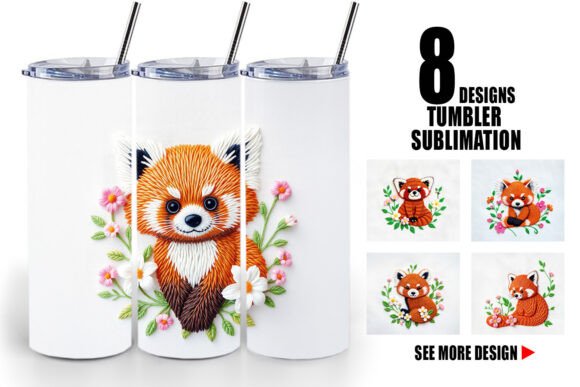
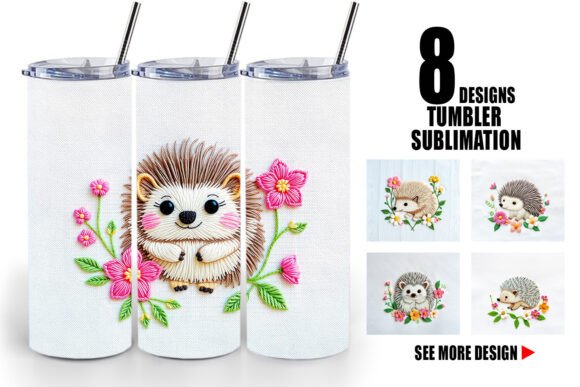
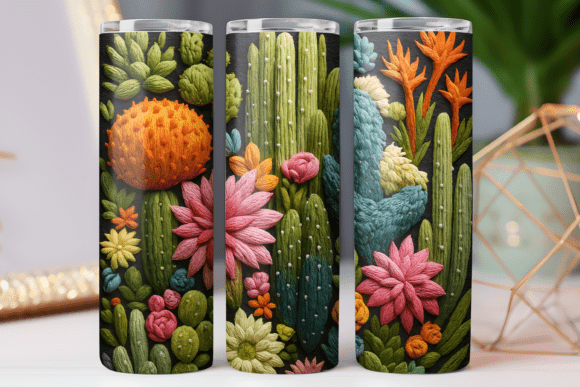
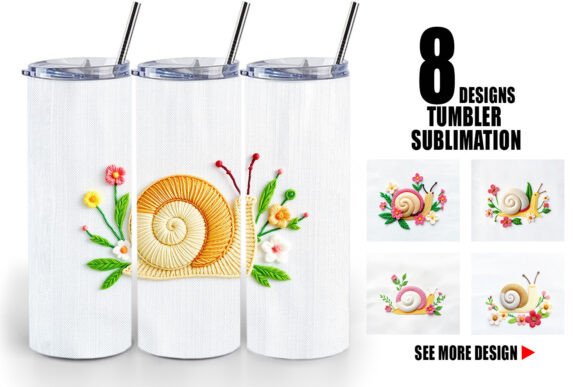
As a designer who has spent years navigating the intersection of digital assets and physical stitching, I approach every new file with a critical eye. We are not just looking at pixels; we are visualizing thread tension, fabric distortion, and the final tactile experience of the finished product. Recently, I evaluated a design asset titled Tumbler Snail Embroidery, which initially caught my attention as part of a broader Tumbler Sublimation Bundle. While the source material is marketed as a set of PNG files for sublimation, the organic curves and distinct personality of the snail motif sparked an immediate question in my mind: how would this translate into a high-quality machine embroidery design? This review explores that transformation, offering practical insights for Etsy sellers, small shop owners, and crafters considering this aesthetic for their next project.
The Visual Personality of the Snail Motif
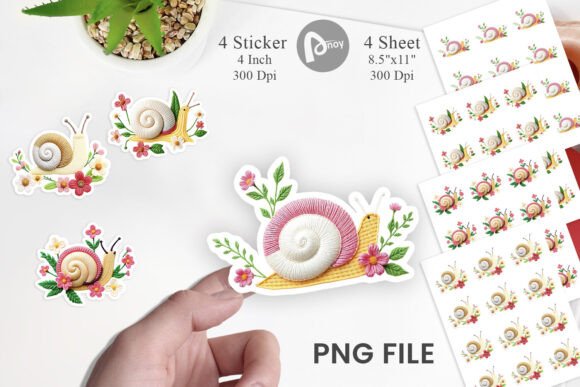
The first impression of the Tumbler Snail Embroidery concept is one of whimsical charm. The snail shape, typically characterized by its spiral shell and soft, elongated body, offers a unique canvas for texture work. In a digital Graphics format, the lines are crisp, but when reimagined for needlework, the challenge lies in capturing that fluidity without losing structural integrity. For a handmade product line, this design evokes a sense of nostalgia and nature, making it particularly suitable for nursery decor, garden-themed apparel, or eco-conscious branding.
However, the transition from a flat image to a three-dimensional stitched object requires careful consideration. The snail's shell is a perfect candidate for intricate fill stitch patterns, allowing for gradient effects that mimic the natural banding found on real shells. Conversely, the body and antennae demand precision. If the original digital product features fine lines, these must be converted into delicate satin stitch or running stitch paths to ensure they do not blur during the stitching process. As a reviewer, I find that designs with this level of character often elevate a basic custom apparel item into a conversation starter, provided the execution respects the original artistic intent.
Real-World Application: From Tote Bags to Sweatshirts
Let us consider a specific scenario: preparing a custom embroidered tote bag for a local craft fair. The Tumbler Snail Embroidery motif, if adapted correctly, could serve as a central focal point on a heavy-duty canvas tote. The durability of canvas supports higher stitch density, allowing the snail's shell to pop with vibrant thread colors without sinking into the fabric weave. In this context, the design moves beyond a simple decoration; it becomes a brand identifier for a boutique selling sustainable goods.
Imagine now placing this same design on a cotton sweatshirt. Here, the stakes are different. The stretch of the knit fabric requires a robust stabilizer to prevent the snail from distorting as the garment is worn and washed. If you are targeting the baby embroidery market, perhaps for a onesie or a soft blanket, the placement shifts to smaller areas where safety and softness are paramount. The snail's gentle curves make it less likely to irritate sensitive skin compared to sharp geometric shapes, but the back of the embroidery must remain smooth. This is where the quality of your digitization matters most. A poorly executed conversion of the Tumbler Wraps style graphics into an embroidery file can result in puckering or excessive bulk, ruining the comfort of the personalized gift.
For holiday embroidery projects, such as a festive pillow cover or a kitchen towel, the snail can be accessorized with seasonal elements like tiny leaves or raindrops. This versatility makes the design a valuable asset for commercial embroidery portfolios. However, the success of the project hinges on how well the design adapts to the curvature of the item. On a round pillow form, the snail might need slight adjustments to avoid warping, whereas on a flat tea towel, the original proportions hold up beautifully.
Navigating Challenges: Fabric, Hoop Size, and Density
While the potential is high, there are specific scenarios where the Tumbler Snail Embroidery should be used with caution. Small hoop sizes are a primary concern. If the design is scaled down too aggressively to fit a 4x4 inch hoop, the intricate details of the shell may vanish, leaving behind muddy patches of thread. Always test the design on scrap fabric first to verify that the smallest elements remain legible. Similarly, textured fabrics like denim or tweed can interfere with the clarity of the snail's outline. The uneven surface may cause the needle to skip or the thread to sit unevenly, diminishing the professional look of the finished product.
Dark fabrics present another hurdle. To make the snail stand out against a black sweatshirt or navy apron, you will need a dense underlay and potentially lighter, contrasting thread colors. Without proper layering, the design can appear ghostly or incomplete. Furthermore, stretchy fabrics require extra attention to stabilizer choice. Using a cut-away stabilizer rather than tear-away ensures that the embroidered patch or direct application maintains its shape over time, even after multiple washes. This is crucial for maintaining customer trust and ensuring that your small shop merchandise remains durable.
Curved surfaces, such as caps or hats, also demand strategic placement. Placing a large snail design across the crown of a cap can lead to significant distortion due to the dome shape. It is often better to position the design on the side panel or use a smaller scale version as a decorative accent. Additionally, avoid placing the design near seams or layered garments where the thickness of the fabric stack might cause the machine to jam or the stitches to break.
Strategic Notes for Designers and Business Owners
Before committing the Tumbler Snail Embroidery to a client order or mass production, follow these practical steps to ensure success. First, always create a printable mockup to visualize how the design sits on the intended product. Compare light and dark fabric backgrounds to determine the best color palette. Second, review the stitch density settings. High density can make the snail look rich but may cause fabric shrinkage, while low density might leave gaps. Finding the balance is key to a professional finish.
Confirm the hoop size compatibility with your machine and the product dimensions. If you are selling this as a digital embroidery file, ensure that your customers understand the limitations regarding scaling and fabric types. Check whether the design works for both personal and commercial embroidery projects by reviewing the licensing terms of the original sublimation bundle. Never assume that a graphic license includes rights for physical reproduction via embroidery. Finally, inspect small details like the snail's eyes and antennae. These tiny elements define the character of the design; if they are lost in translation, the entire piece loses its charm.
In conclusion, the Tumbler Snail Embroidery concept holds immense promise for designers willing to put in the work to adapt it properly. It offers a blend of whimsy and professionalism that can enhance custom apparel, tote bag designs, and home decor items. By respecting the technical requirements of embroidery and understanding the nuances of different fabrics, you can transform a simple graphic into a standout handmade product that delights customers and strengthens your brand identity.