Hatching Chick Embroidery: A Designer's Practical Review
As a designer who has spent years navigating the nuances of machine embroidery, I approach every new file with a mix of excitement and skepticism. The market is flooded with digital assets that look perfect on a screen but fall apart under the pressure of a needle and thread. When I first opened the Hatching Chick Embroidery file, my immediate goal was to determine if this cute concept could survive the transition from a digital preview to a tangible, high-quality finished product. This isn't just about whether the chick looks sweet; it is about whether the design holds up when stitched onto real fabric for a client or a small shop inventory.
First Impressions: Mood and Visual Personality
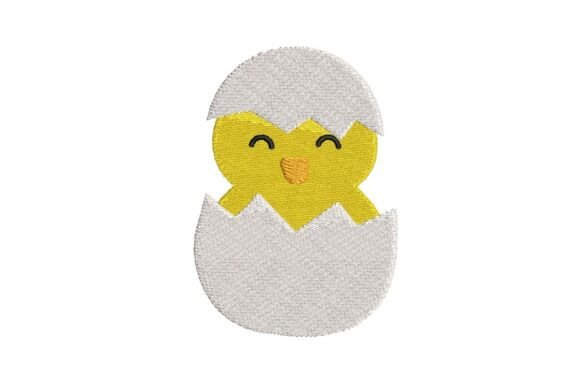
The moment the design loaded, the visual intent was clear. This is a simple and cute embroidery design of a baby chick hatching from an egg. The bright yellow chick with its smiling face peeking out from the cracked, off-white eggshell creates an instant sense of joy and renewal. It captures the essence of spring without feeling cluttered. In the world of Easter decor or general spring merchandise, simplicity often wins because it translates better across different mediums. The layout feels balanced, avoiding the common pitfall of overcrowding the hoop space. For a designer, this suggests a versatile asset that can work as a standalone focal point or as part of a larger composition.
However, the true test lies in the stitch construction. From a professional standpoint, I am looking for how the fill stitch manages the curves of the eggshell and the softness of the chick's body. Does the satin stitch along the edges hold a clean line, or does it risk puckering? The description notes a "cl" which implies a specific clarity or cluster of details, but without seeing the actual stitch count, I must assume the standard caution applies: check the density before committing to a production run.
Real-World Application: From Hoop to Product
Let's talk about where this design actually lives. Imagine you are preparing a custom embroidered tote bag for a local craft fair. You want something that screams "spring" but doesn't scream "cheap." Placing the Hatching Chick Embroidery on a natural canvas tote bag would be a winning move. The off-white eggshell contrasts beautifully against beige or cream cotton, while the bright yellow pops without overwhelming the eye. This is a prime example of how a well-chosen machine embroidery design elevates a basic blank into a boutique-worthy item.
I also see immense potential for baby embroidery. Think of a personalized gift like a onesie, a bib, or a nursery pillow cover. Parents love designs that are playful yet not overly complex. The smiling face of the chick adds a humanizing element that connects instantly with buyers. If you are an Etsy seller or a small shop owner, this design fits perfectly into a collection of handmade products meant to celebrate new beginnings. Whether it is a holiday gift or a year-round nursery staple, the emotional resonance of a chick breaking free from an egg is universal.
For apparel decorators, consider sweatshirt embroidery or caps. On a curved surface like a cap, the round shape of the egg works naturally with the contour. However, you must be mindful of the fabric texture. A thick fleece sweatshirt might require a heavier stabilizer to ensure the fine details of the crack in the shell don't get lost in the pile of the fabric. On a smooth jersey t-shirt, the design should lay flat and crisp, making it an excellent choice for custom apparel lines targeting families or schools.
Strategic Placement and Fabric Considerations
While the design is versatile, it is not immune to the physics of stitching. There are scenarios where Hatching Chick Embroidery requires careful handling. First, avoid using it on very thin or highly stretchy fabrics without the proper backing. The tension required to stitch the dense areas of the chick's head could cause the fabric to pucker, ruining the professional look of the finished product. Always test the design on scrap fabric first to gauge the necessary stabilizer weight.
Secondly, consider the color palette. While the design features bright yellow and off-white, these colors may struggle on dark backgrounds. If you are planning to use this embroidery file on black denim or navy blue towels, you will likely need to add an underlay or switch to a lighter version of the thread colors to maintain visibility. Testing the design in black and white mockups beforehand can save you from costly mistakes during the actual stitching process.
Another critical factor is the hoop size. Even though the design appears simple, it needs enough room to breathe. If you try to force it into a tiny 4x4 hoop, the details of the cracked shell might become muddy. Ensure your hoop accommodates the full width of the egg and the chick's wingspan to preserve the integrity of the image. For commercial embroidery projects where consistency is key, sticking to a standardized hoop size ensures that every piece looks identical.
Design Integrity and Business Value
From a business perspective, the value of a design like Hatching Chick Embroidery lies in its ability to build customer trust. A clean, well-executed stitch pattern signals quality. When a customer receives a personalized gift or a custom tote bag, they judge the craftsmanship immediately. If the threads are tangled, the density is too high causing stiffness, or the colors bleed, the perceived value of your brand drops. Conversely, a sharp, vibrant chick emerging from an egg enhances the handmade presentation and reinforces your reputation as a skilled maker.
For those selling digital products, this design serves as a strong asset. It appeals to hobbyists and creative entrepreneurs who want ready-to-stitch files for their own projects. However, always confirm licensing before selling finished items or distributing the digital embroidery file itself. Understanding the terms of use is crucial for any craft business operating online. Does the license allow for commercial use on physical goods? Can you sell the file as part of a bundle? These questions must be answered before integrating the design into your workflow.
Practical Notes for the Professional Stitcher
To get the most out of this project, follow these practical steps:
- Test on Scrap Fabric: Never skip this step. Stitch a sample to check thread tension and density.
- Check Thread Color Contrast: Ensure the yellow stands out against your chosen background fabric.
- Review Stabilizer Choice: Use tear-away for stable wovens and cut-away for knits to prevent distortion.
- Inspect Small Details: Zoom in on the cracks in the eggshell to ensure they are defined by running stitch or satin stitch rather than getting lost in fill.
- Verify Licensing: Confirm you have the rights to use the design for commercial sales or digital distribution.
In conclusion, Hatching Chick Embroidery offers a charming and practical solution for spring-themed projects. It balances cuteness with structural simplicity, making it suitable for everything from embroidered patches to personalized gifts. By respecting the limitations of fabric and machinery, and by testing thoroughly before production, you can turn this digital file into a standout piece in your portfolio. Whether you are a seasoned decorator or a budding Etsy seller, this design has the potential to bring a smile to your customers' faces—if executed with care.